Families can heal, reconnect, and grow stronger together.
Online Family Therapy Throughout Nevada and California
When a family is struggling, everyone can feel the effects. Conflict, distance, mental health concerns, parenting stress, transitions, and long-standing patterns can make home feel less connected and more uncertain.
Family therapy offers a place to understand what is happening between family members, make room for each person's experience, and build healthier ways of responding to one another.

When Family Relationships Feel Stuck
Families may seek therapy for:
Repeated conflict, criticism, withdrawal, or communication breakdowns.
Parent-child or adult family relationship strain.
Anxiety, depression, trauma, or another mental health concern affecting the family system.
Parenting differences or uncertainty about how to support a child or adult family member.
Blended-family adjustments, separation, relocation, military life, or caregiving changes.
Cultural, racial, religious, or generational differences.
Estrangement, grief, loss, or major life transitions.
The goal is not to identify one person as the problem. Family therapy explores the pattern around the problem and helps family members build a more supportive path forward.
Family Therapy

Family therapy brings family members together to address relationship patterns, improve communication, increase understanding, and support meaningful change.
Depending on the family's needs, sessions may include all family members, selected family members, or different combinations over time. The work remains guided by clear treatment goals and careful attention to emotional safety, developmental needs, culture, and family context.
Family-Assisted Individual Therapy
Family-assisted individual therapy is individual treatment in which family members participate at selected times to support the identified client's treatment goals.
The individual client remains the focus of treatment. Family participation may help loved ones understand symptoms, respond more effectively, strengthen support, practice new patterns, and reduce interactions that unintentionally maintain distress.
This service is different from family therapy because the treatment is organized around one identified client's mental health needs rather than the family relationship as the primary focus.

Healing That Honors Family Culture and Context
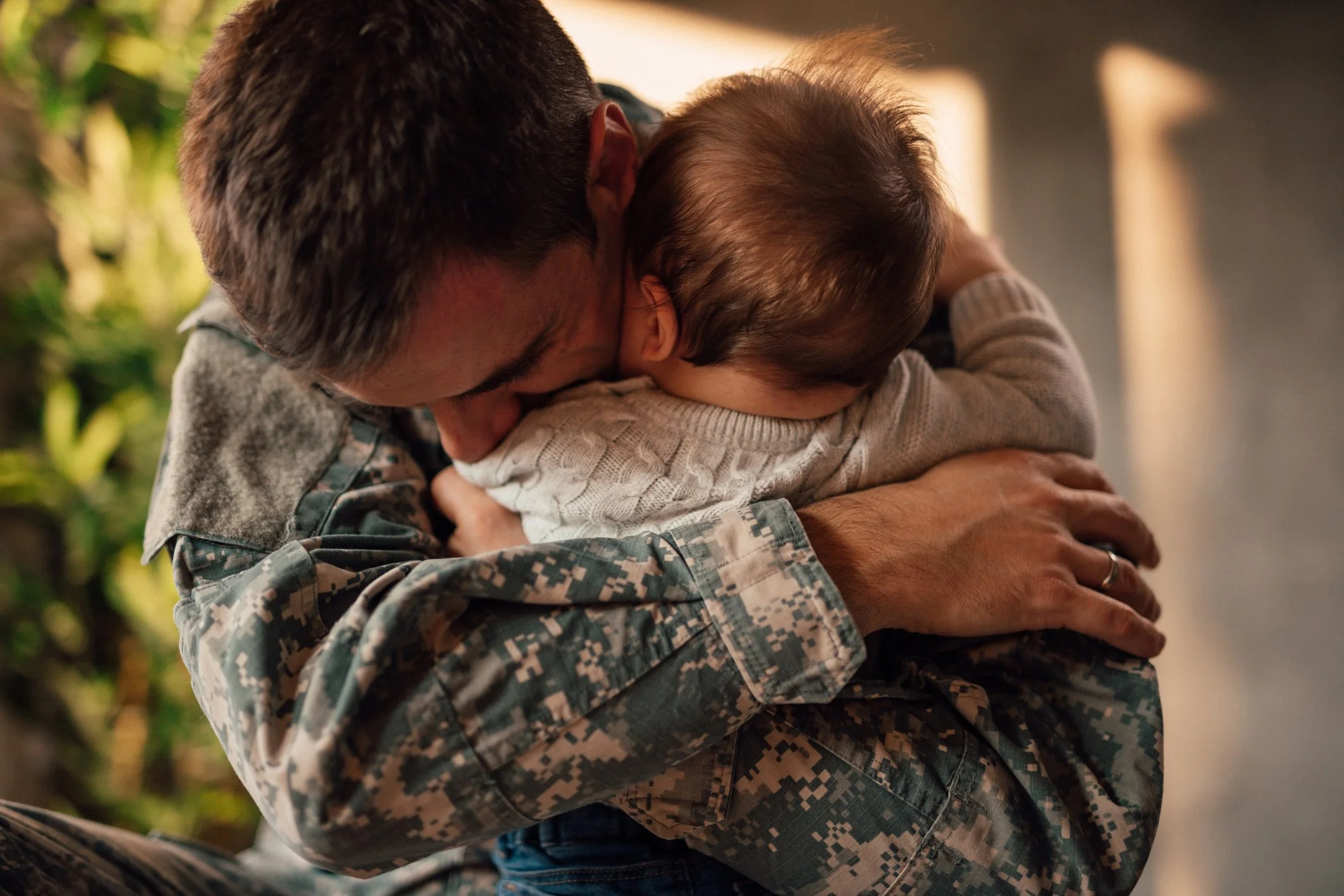
Families are shaped by culture, race, identity, faith, community, migration, military life, and generational experience.
Differences between parents, partners, children, and extended family members can create misunderstanding—especially when family members experience culture, belonging, racism, oppression, or identity in different ways.
Therapy creates space to explore these differences respectfully while helping the family build connection without requiring everyone to be the same.
How Healing Happens
My approach is tailored to the needs of the family and may integrate family systems thinking, attachment science, Emotionally Focused Therapy as a specialty, experiential therapies, focusing-oriented techniques, and trauma-informed care.
We work to understand the emotions and protective strategies beneath conflict, strengthen responsiveness, and create new experiences of safety and connection.

Therapy Across Nevada and California
I provide secure online family therapy throughout Nevada and California. Because I am licensed in both states, family members may often participate from separate locations in Nevada and California during the same session.
Participation depends on each person's physical location, clinical appropriateness, consent, privacy, and applicable practice policies.
Rooted Reflection
Your family does not have to remain caught in the same painful pattern.
Even when relationships have become strained or communication feels difficult, meaningful change is still possible. Healing often begins when each person has the opportunity to feel heard with curiosity instead of judgment and criticism. Small moments of understanding can gradually create stronger connections, deeper trust, and new ways of moving forward together.
-
Family therapy helps improve communication, strengthen relationships, and better understand the patterns that affect everyone in the family. Rather than identifying one person as 'the problem,' therapy focuses on how the family can work together toward healthier relationships.
-
The people who participate depend on your family's goals. Sessions may include parents, children, siblings, adult family members, caregivers, or other important people whose involvement supports the therapeutic process.
-
Not necessarily. While many sessions include the whole family, there may be times when meeting with different family members separately or in smaller groups better supports your treatment goals.
-
No. My role is to create a respectful space where each person's perspective can be understood. Together we'll identify patterns that contribute to distress and explore healthier ways of connecting.
-
Family-Assisted Individual Therapy is individual therapy that intentionally includes one or more family members during selected sessions to support the identified client's treatment goals. Unlike family therapy, the focus remains on the individual client's care while thoughtfully incorporating family participation when it is clinically beneficial.
-
In family therapy, the family relationship itself is the primary focus of treatment. In Family-Assisted Individual Therapy, the primary client remains the individual, and family participation is used strategically to support that person's growth, healing, and treatment objectives.
-
Yes. Many families seek therapy during life transitions, parenting challenges, grief, blended family adjustments, emotional distance, or simply because they want to strengthen their relationships before concerns become more significant.